.jpg?width=275&height=183&name=images%20(6).jpg)
Kris Gopalakrishnan biography
Kris Gopalakrishnan career
Kris Gopalakrishnan leader


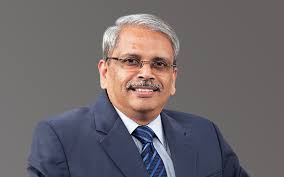
In the narrative of India's technological transformation, few individuals have left as indelible a mark as Kris Gopalakrishnan. His remarkable journey from establishing one of India's most iconic IT corporations to spearheading the nation's artificial intelligence revolution exemplifies both personal achievement and national aspiration. As India positions itself at the forefront of global AI innovation, Kris Gopalakrishnan's vision, experience, and advocacy continue to shape the country's technological trajectory.
The entrepreneurial saga of Kris Gopalakrishnan, formally known as Senapathy Gopalakrishnan, represents a defining chapter in India's economic history. When he and six fellow engineers, including N.R. Narayana Murthy, founded Infosys in 1981 with a mere $250, few could have predicted the global phenomenon it would become. What started as a fledgling venture in Pune transformed into a multinational powerhouse worth billions, creating livelihoods for hundreds of thousands worldwide.
During his distinguished career at Infosys, Kris Gopalakrishnan assumed critical roles spanning Chief Operating Officer, Chief Executive Officer, and Vice Chairman before stepping away from day-to-day operations. His distinctive blend of engineering expertise and business intelligence helped cement the organization's standing for quality delivery, technological innovation, and unwavering ethical standards. Pioneers like Kris Gopalakrishnan demonstrated conclusively that Indian companies could not merely participate in global markets but dominate them through excellence and integrity.
Today, Kris Gopalakrishnan has recalibrated his substantial expertise toward a transformative mission: positioning India as a dominant force in artificial intelligence and emerging digital technologies. His consistent message across various platforms emphasizes that the transition from conventional IT services to AI-driven innovation represents not incremental change but a fundamental reimagining of how enterprises function, economies expand, and societies organize themselves.
At the BT AI Summit 2025, Kris Gopalakrishnan presented his strategic vision for India's AI metamorphosis, underlining the critical crossroads where the nation currently stands. He noted that while India successfully harnessed the IT wave of previous decades, the AI revolution demands distinct approaches—emphasizing indigenous innovation, substantial research commitments, and creating AI solutions tailored specifically to Indian contexts and challenges.
Among the most prominent themes in Kris Gopalakrishnan's advocacy is the absolute necessity of robust research and development funding. He asserts that R&D investment levels will fundamentally determine whether India captures substantial value from the AI revolution or remains primarily a consumer of technologies developed elsewhere.
Currently, India's R&D spending as a proportion of national GDP significantly lags behind innovation powerhouses such as the United States, China, South Korea, and Israel. Kris Gopalakrishnan has been unequivocal about the need to dramatically escalate both governmental and commercial investments in fundamental and applied research domains. He argues that constructing a robust AI ecosystem requires unwavering commitment to developing research infrastructure, recruiting and retaining exceptional talent, and nurturing synergies between commercial enterprises, academic institutions, and governmental bodies.
Through his philanthropic investments and active involvement with educational organizations, Kris Gopalakrishnan has championed research programs and innovation centers focused on AI, machine learning, and cutting-edge technologies. His financial contributions to academic institutions underscore his conviction that India's AI future depends fundamentally on world-class educational and research foundations.
What distinguishes Kris Gopalakrishnan's vision for India's AI development is his unwavering commitment to building technology models rooted in empathy and human values. Instead of pursuing AI advancement solely for commercial advantage or technological supremacy, he advocates for approaches that carefully consider social impacts, ethical implications, and human welfare in AI system design.
This philosophy holds particular relevance for India, a nation characterized by extraordinary diversity, significant developmental challenges, and marked socioeconomic disparities. Kris Gopalakrishnan maintains that AI technologies developed for the Indian context must address authentic problems confronting ordinary people—whether in healthcare delivery, educational access, agricultural productivity, or governmental services. Technologies designed with inclusivity, accessibility, and empathy at their core can help bridge societal divides rather than deepen them.
His focus on compassionate technology creation aligns with broader global discussions about responsible AI development, algorithmic fairness, and ensuring technological progress serves all population segments equitably. For India, where technology deployment must accommodate multiple languages, varying literacy levels, and diverse socioeconomic conditions, this human-centered approach to AI development represents not idealism but practical necessity.
Beyond his technological contributions, Kris Gopalakrishnan has become a passionate champion for cultivating innovation and entrepreneurial thinking, particularly among India's youth. He firmly believes that innovation and entrepreneurship must be woven into the fabric of university education, not as supplementary programs but as core educational pillars.
Speaking at numerous convocation ceremonies and educational forums, Kris Gopalakrishnan has consistently urged young people to embrace innovation and entrepreneurship as vehicles for value creation and societal problem-solving. He emphasizes that entrepreneurship transcends merely launching companies; it embodies a mindset characterized by creativity, perseverance, calculated risk-taking, and the ability to perceive opportunities where others see only obstacles.
His message carries special weight in the context of AI and emerging technologies, where India has genuine potential to leapfrog traditional development trajectories. By encouraging young people to think entrepreneurially about AI applications—whether in financial services technology, agricultural innovation, healthcare solutions, or educational technology—Kris Gopalakrishnan is helping cultivate the next generation of innovators who will build India's AI infrastructure.
Kris Gopalakrishnan has been a consistent advocate for technology adoption as fundamental to business survival and growth. He argues that organizations across all sectors—from traditional manufacturing to service industries—must embrace digital transformation and integrate AI capabilities to maintain competitiveness in the contemporary economy.
This perspective stems from decades of observing how technology disrupts established industries while simultaneously creating unprecedented opportunities. Companies that viewed technology as merely back-office support have been displaced by those recognizing it as central to their value proposition. As AI becomes increasingly embedded in business operations, strategic planning, and customer engagement, the performance gap between technology adopters and laggards will only widen.
For Indian businesses, especially the small and medium enterprises that constitute the economy's backbone, Kris Gopalakrishnan's message is crystal clear: technology adoption is no longer optional but existential. However, he also recognizes that successful adoption requires accompanying capacity building, workforce upskilling, and support mechanisms that guide businesses through their transformation journeys.
As Kris Gopalakrishnan has articulated across multiple forums, developing a thriving AI ecosystem requires coordinated action across numerous dimensions. Governmental policy plays an indispensable role in creating enabling environments through appropriate regulatory frameworks, data governance mechanisms, intellectual property protections, and innovation incentives.
India has taken several positive steps in this direction, including launching the National AI Strategy and various sectoral AI adoption initiatives. Nevertheless, Kris Gopalakrishnan and other technology leaders continue advocating for more ambitious and comprehensive strategies that match the scale and urgency of the opportunity.
Infrastructure development represents another critical component. This encompasses not only digital infrastructure like high-speed connectivity and cloud computing capacity, but also physical infrastructure including research laboratories, innovation hubs, and testing facilities. It includes human infrastructure—the skilled workforce capable of developing and deploying AI solutions—as well as financial infrastructure that can support AI startups and scale-ups through venture capital, government grants, and corporate innovation programs.
An often overlooked aspect of Kris Gopalakrishnan's impact on India's innovation ecosystem is his extensive philanthropic work. Through various foundations and initiatives, he has directed considerable resources toward educational advancement, research excellence, and social development programs that create the bedrock for innovation.
His philanthropic philosophy reflects a long-term commitment to capability building and opportunity creation rather than merely addressing immediate needs. By investing in education and research, Kris Gopalakrishnan is helping develop the human capital that will drive India's AI future. His support for entrepreneurship programs provides aspiring founders with resources, mentorship, and networks that can be decisive in transforming ideas into successful ventures.
The impact of Kris Gopalakrishnan's work extends far beyond India's geographical boundaries. His journey from co-founding Infosys to becoming a globally recognized voice on technology and innovation has earned him platforms at the world's most prestigious forums. He has been featured in international discussions about the future of work, digital economies, and transformative technologies.
His contributions at World Economic Forum events and other international gatherings help shape global narratives about how developing economies can participate meaningfully in technological revolutions. This international presence also helps attract attention and investment to India's innovation ecosystem, as global investors and partners see the caliber of vision and capability that leaders like Kris Gopalakrishnan represent.
The life lessons from Kris Gopalakrishnan's remarkable career offer invaluable insights for anyone interested in entrepreneurship, innovation, or technology leadership. His journey illustrates the power of combining technical excellence with business acumen, the value of ethical leadership and robust governance, and the importance of long-term strategic thinking in building sustainable enterprises.
One recurring theme in Kris Gopalakrishnan's story is the critical importance of resilience and adaptability. The early years of Infosys were marked by formidable challenges, from restrictive regulations to severe resource constraints. The ability to persist through adversity, adapt to changing circumstances, and maintain focus on long-term objectives proved essential to eventual success.
Another vital lesson concerns the importance of building strong institutions and governance structures. Infosys became renowned not just for its technical capabilities but for establishing corporate governance standards that set benchmarks for Indian enterprises. This institutional approach to business building—emphasizing systems, processes, and values rather than individual personalities—has enabled companies to scale successfully and sustain performance across generations.
As Kris Gopalakrishnan articulated on National Startup Day in his role as Chairman of the Advisory Board at the CII Centre of Excellence, cultivating a vibrant startup ecosystem is central to India's innovation ambitions. He recognizes that while established companies like Infosys play important roles, much of the disruptive innovation and agility in adopting emerging technologies comes from startups.
The startup ecosystem benefits tremendously from the experience and resources of successful entrepreneurs like Kris Gopalakrishnan who serve as mentors, investors, and advocates. His involvement in various entrepreneurship initiatives helps create vital connections between startups and established businesses, facilitating knowledge transfer, partnership opportunities, and market access.
For the AI ecosystem specifically, startups play an indispensable role in experimenting with novel applications, serving specialized markets, and pushing the boundaries of technological possibility. Supporting these ventures through funding, mentorship, and enabling policy frameworks is essential for ensuring India's AI development remains dynamic and diverse rather than concentrated among a few large corporations or research institutions.
As India stands at the cusp of the AI era, the vision and leadership of figures like Kris Gopalakrishnan provide both inspiration and practical direction. The path ahead requires sustained commitment from all stakeholders—government agencies, private sector, academic institutions, and civil society—to build the capabilities, infrastructure, and ecosystem necessary for India to lead rather than follow in AI innovation.
The opportunities are truly transformative. AI applications in agriculture could help millions of farmers increase productivity and incomes. In healthcare, AI-powered diagnostic tools and telemedicine could extend quality care to underserved populations. In education, personalized learning systems could help address India's massive educational challenges. Smart city initiatives could make urban areas more livable and sustainable. The potential applications span virtually every economic sector and societal domain.
However, realizing this potential requires addressing significant challenges. India must dramatically scale up its AI research capabilities, invest in computational infrastructure, develop large-scale datasets while ensuring privacy and security, address skills gaps through comprehensive education and training programs, and create regulatory frameworks that encourage innovation while protecting citizens' interests and rights.
Kris Gopalakrishnan consistently emphasizes that success in the AI era will depend heavily on collaboration rather than competition alone. This includes collaboration among companies, where sharing non-competitive resources and establishing common standards can benefit the entire ecosystem. It involves partnerships between industry and academia, ensuring research addresses practical challenges and academic breakthroughs find real-world applications.
International collaboration is equally crucial. While India must build indigenous capabilities, it can also benefit substantially from partnerships with leading AI research institutions and companies globally. Kris Gopalakrishnan's own global networks and experience in building international partnerships demonstrate how Indian entities can engage productively with the global technology ecosystem while maintaining their unique identity and interests.
Public-private partnerships represent another vital dimension of collaboration. Government brings resources, regulatory authority, and access to public sector problems that need solutions. The private sector brings innovation capabilities, execution speed, and market understanding. When these strengths combine effectively, the results can be genuinely transformative for society.
The story of Kris Gopalakrishnan and his continuing influence on India's technology landscape offers profound lessons and enduring inspiration. From co-founding Infosys and helping establish India's IT services industry to now championing AI-driven innovation, his journey mirrors both India's technological evolution and its future potential.
His emphasis on R&D investment, empathy-driven technology development, entrepreneurial culture, and collaborative ecosystem building provides a comprehensive roadmap for how India can navigate the AI revolution successfully. By combining technical excellence with social consciousness, innovation with ethics, and ambition with inclusivity, India can create an AI ecosystem that not only drives economic growth but also addresses societal challenges and improves lives across all segments of the population.
As Kris Gopalakrishnan continues his multifaceted work through various initiatives, his influence spans multiple domains—as a successful entrepreneur whose journey inspires countless others, as a thought leader shaping conversations about technology and innovation, as a philanthropist investing strategically in education and research, and as an advocate promoting policies and investments that can position India as a global AI leader.
The rise of AI-driven innovation in India is not guaranteed—it requires vision, investment, hard work, and sustained commitment from numerous stakeholders working in concert. Leaders like Kris Gopalakrishnan play an essential role in articulating that vision, mobilizing resources, and creating conditions for success. Their work today is laying the foundation for India's technological and economic future in the decades ahead.
Kris Gopalakrishnan, also known as Senapathy Gopalakrishnan, is a co-founder of Infosys, one of India's largest and most successful IT services companies. He has held various leadership positions including CEO and Vice Chairman of Infosys. Today, he is a prominent advocate for AI-driven innovation in India, active investor, dedicated philanthropist, and influential thought leader in technology and entrepreneurship circles.
Kris Gopalakrishnan envisions India becoming a global leader in AI innovation through substantial R&D investments, empathy-driven technology development, strong industry-academia collaboration, and a thriving ecosystem that nurtures startups and entrepreneurship. He emphasizes that AI solutions should address India's unique challenges while being inclusive and beneficial to all segments of society, particularly underserved populations.
As a co-founder of Infosys in 1981, Kris Gopalakrishnan played a pivotal role in building one of India's first truly global IT services companies. Through his technical expertise and business leadership, he helped establish Infosys as a model of quality, innovation, and ethical corporate governance, demonstrating that Indian companies could compete successfully and excel in international markets.
Kris Gopalakrishnan argues forcefully that R&D investments will be the determining factor in India's AI success story. He advocates for dramatically increasing both public and private sector spending on research, building world-class research infrastructure, and fostering meaningful collaboration between industry, academia, and government to create indigenous AI capabilities that can compete globally.
Empathy-driven technology, as championed by Kris Gopalakrishnan, refers to developing AI solutions that consider social implications, ethical dimensions, and human impact at every stage. This approach emphasizes creating technologies that are inclusive, accessible, and designed to address real problems faced by people across different socioeconomic contexts, ensuring technology serves humanity rather than the reverse.
Kris Gopalakrishnan supports entrepreneurship through multiple channels: investing in promising startups, mentoring emerging entrepreneurs, advocating for entrepreneurship education at universities, supporting innovation centers and incubators, and creating networks that connect startups with resources, potential partners, and markets. He serves on advisory boards of various entrepreneurship initiatives, including the prestigious CII Centre of Excellence.
Kris Gopalakrishnan's philanthropic initiatives focus primarily on education, research, and innovation. He has made significant contributions to educational institutions, supported cutting-edge research programs in emerging technologies, and funded initiatives that build capacity for innovation. His philanthropy reflects a long-term strategic approach to creating opportunities and developing capabilities rather than merely addressing immediate needs.
Kris Gopalakrishnan believes that technology adoption is essential for business evolution and competitiveness in the modern economy. He argues that companies across all sectors must embrace digital transformation and integrate AI capabilities to remain relevant, improve operational efficiency, enhance customer experiences, and create innovative value propositions that meet evolving market demands.
Kris Gopalakrishnan views startups as absolutely crucial for bringing innovation, agility, and diverse applications to India's AI ecosystem. He believes startups experiment with novel solutions, serve specialized niche markets, and push technological boundaries in ways that complement the work of larger companies and research institutions. Supporting startups through adequate funding, quality mentorship, and enabling policies is essential for a vibrant, diverse AI ecosystem.
Young people can learn immensely from Kris Gopalakrishnan's emphasis on cultivating an entrepreneurial mindset, focusing on solving real-world problems, developing deep technical expertise combined with business understanding, building ethical and sustainable approaches to innovation, embracing resilience and long-term strategic thinking, and viewing entrepreneurship as a powerful pathway to creating both substantial economic value and meaningful social impact.
-1.jpg?width=275&height=183&name=download%20(5)-1.jpg)